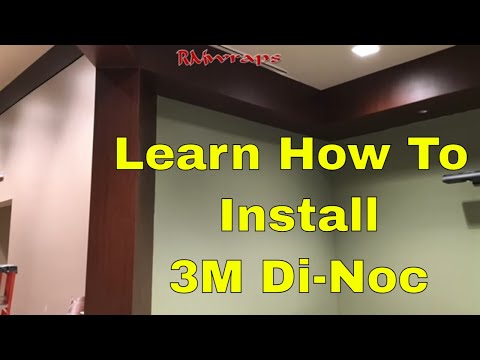
Pros & Cons of Wrapping Walls with Architectural Films
In this video, Randy Miller discusses the pros and cons of wrapping drywall with vinyl architectural films. He covers essential preparation steps, potential challenges, and expert tips for a smooth, professional installation.
What You'll Learn: ✔️ How to properly prep drywall for wrapping ✔️ Best techniques for applying vinyl wraps ✔️ Common mistakes to avoid (air bubbles, peeling paint, etc.) ✔️ Why surface smoothness is crucial for a flawless finish ✔️ The benefits of using Primer 94 and post-heating
Pros:
1. Aesthetic Versatility: - Wide Range of Designs:** Architectural films come in a variety of colors, patterns, and textures, allowing for endless design possibilities. - Realistic Finishes:** Films can mimic the appearance of materials such as wood, stone, and metal, providing a high-end look without the cost.
2. Cost-Effective: - Affordable Alternative:** Compared to traditional renovation methods, architectural films are a more economical option. - Reduced Labor Costs:** Installation is typically quicker and less labor-intensive than traditional methods.
3. Durability: - Long-Lasting:** High-quality films are resistant to scratches, stains, and general wear and tear. - Easy Maintenance:** They are easy to clean and maintain, making them ideal for high-traffic areas.
4. Installation Flexibility: - Quick and Non-Invasive:** Installation can be completed quickly and without significant disruption. - Adaptable: Can be applied to various surfaces, including walls, ceilings, and furniture.
5. Sustainability: - Environmentally Friendly:** Some films are made from eco-friendly materials and can be recycled, reducing environmental impact.
Cons:
1. Initial Cost: - High-Quality Films:** While more affordable than traditional methods, high-quality films can still be relatively expensive. - Professional Installation:** For the best results, professional installation is recommended, which adds to the overall cost.
2. Surface Preparation: - Smooth Surfaces Required:** Walls need to be smooth and clean for optimal adhesion, which may require additional preparation.
3. Limited Repair Options: - Damage Repair:** If the film is damaged, it can be challenging to repair seamlessly, often requiring a complete replacement of the affected section.
4. Longevity in High-Wear Areas: - Wear and Tear: In very high-traffic or harsh environments, the film may wear out faster, requiring more frequent replacements.
5. Heat Sensitivity: - Temperature Limitations: Some films may not perform well in extreme temperatures, potentially causing them to peel or bubble.