
Learn how to apply a professional door wrap using architectural film with this step-by-step installation guide.
This video demonstrates the process of applying architectural film to an 82-inch door. Randy Miller walks through the necessary preparation steps to ensure a clean, smooth finish for your project, focusing on his personal method for handling vertical surfaces.
Whether you are looking for a quick door renovation or a complete style update, understanding the vinyl installation process is crucial. We cover the specific techniques needed to achieve a professional result on your interior or exterior doors.

Learn the step-by-step process for a professional architectural film application on a commercial kitchen swing door.
This guide shows you how to properly prep, measure, and apply material to high-traffic surfaces. By removing hardware and using precise heat and pressure techniques, you can achieve a durable finish that looks like new without the cost of a full door replacement.
We cover the entire vinyl installation from start to finish, including tricky window cutouts and edge wrapping. Whether you are upgrading a restaurant or a busy office, this door wrap method provides a clean, modern look that stands up to daily wear.
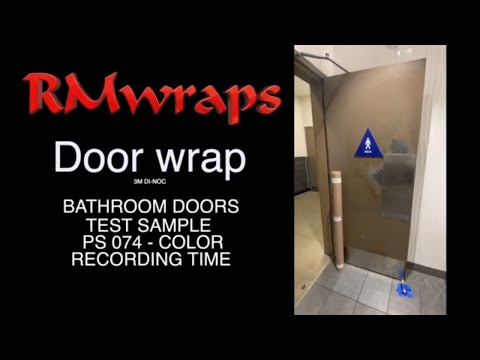
Solve paint wear-and-tear on high-traffic restroom doors using 3M DI-NOC architectural film. See how this durable material holds up.
We were hired to fix damaged restroom doors at a busy local grocery store. Using 3M DI-NOC in PS-074, we applied a professional-grade finish to protect the surface from constant daily use. The project covers prepping the door and applying the vinyl to ensure a long-lasting, clean aesthetic.
Architectural film is a cost-effective way to refresh worn surfaces without replacing the entire door. This demonstration shows the full door wrap process, including adding finishing touches like kick plates and signage. It is a practical guide for anyone looking to handle high-traffic vinyl installation projects.

See how 3M Di-noc door wraps hold up after two and a half weeks of daily use in a busy bathroom.
This update focuses on the performance of our architectural film on a bathroom door. We look at how the material handles moisture and everyday wear, showing you exactly where the finish remains pristine and where it shows signs of stress.
While the vinyl installation copes with a small dent and a scuff, the material remains easy to clean with soap and water. We examine these specific results to help you understand what to expect with bathroom door wraps over time.
Consistent door wrap maintenance is key to keeping your project looking new. We share these observations so you can make an informed decision about using professional-grade materials in your own home renovations.
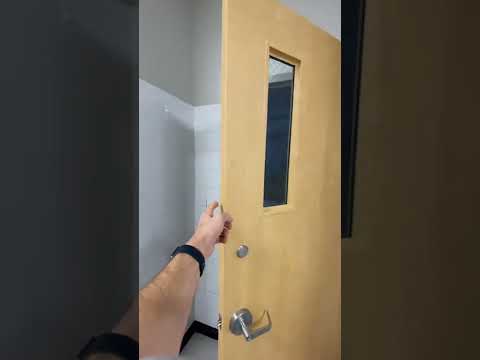
See how we use architectural film to update old school doors. We are turning these blue metal doors into a wood look.
This school door renovation at Chamberlain Academy in Washington, D.C. demonstrates the durability and visual impact of our door wraps. The original metal doors were painted blue, and our goal was to provide a warmer, more modern aesthetic by applying architectural film to create a wood grain finish.
This process is a practical way to refresh commercial spaces without the cost of replacing the entire door unit. We focus on clean vinyl installation techniques to ensure the film adheres correctly to the metal surface, providing a professional finish that stands up to high-traffic environments. We specialize in custom wraps that breathe new life into existing fixtures.
