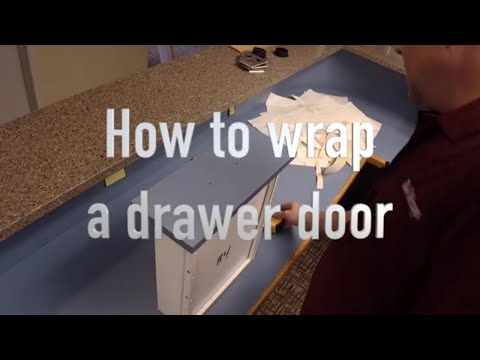
Learn how to perform a professional cabinet door wrap with this step-by-step guide. Achieve a clean finish using durable film.
Randy Miller from RM wraps breaks down the entire process of applying architectural films to cabinets and drawers. This vinyl wrapping tutorial covers every stage, from taking precise measurements and cutting the material to proper heat application and corner techniques. Whether you are a DIY enthusiast or looking to improve your shop skills, these methods ensure a smooth, professional-looking result on your next project.
We utilize vinyl material for this demonstration, showcasing how to manage overlaps and corner cuts for long-lasting adhesion. Follow along as we walk through the specific steps for securing the film without visible seams or bubbles.
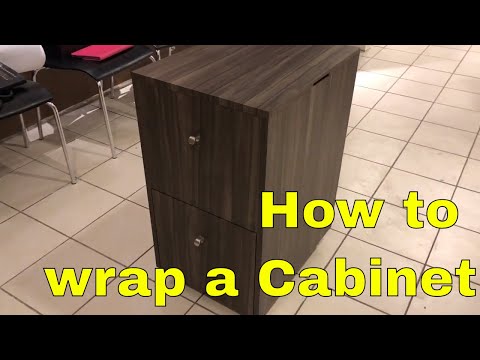
Update your old dresser cabinet with a fresh wood-grain finish using 3M Di-Noc architectural film.
This process covers the old finish of a filing cabinet, providing a clean, refreshed appearance. We demonstrate how to apply the material to the sides and drawers, ensuring a smooth application that updates the look of your furniture without needing a full replacement.
Using quality architectural film allows for a durable update to everyday surfaces. This vinyl installation project shows the steps required to achieve a professional result on your own cabinet, making it a practical option for anyone looking to refurbish existing pieces.

Randy Miller demonstrates how to apply architectural film when wrapping tight corners and restricted areas like cubby holes. The focus is on using a specific scoring tool that allows you to cut the backing paper without damaging the vinyl, which helps prevent the film from grabbing the walls during application.
By scoring the paper and pulling it down slightly, you can maintain better tack and adhesion. This method, combined with proper squeegee technique, allows you to walk the material through for a clean, straight edge, ensuring professional vinyl wrap tools deliver the results you need for your next project.
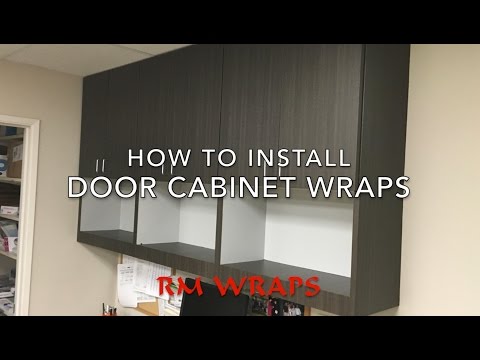
Looking for a way to change the look of your cabinets without painting or staining? Check out this video to see how easy it is to wrap your cabinet doors with 3M DI-NOC Architectural Films!
Here's a video on how to wrap a cabinet door at a dental office using 3M DI-NOC Architectural Films vinyl. Wrap both sides will take 15 mins to do. That's removing the door, cleaning the doors, and installing the cabinet door wrap.
3M DI-NOC architectural finishes are a decorative film that has self-adhesive, air-release channels and high-quality vinyl sheets that respond to the look of natural materials like wood grain, metals, and other materials, without requiring you to replace the main subject. The 3M Di-Noc is made by updating the look of your surface in a cheaper and faster way. 3M Di-Noc is a thin layer of high-quality vinyl that is applied to the surface of your doors, cabinets, tables, and anything with a smooth surface. It can be used to give any room an updated look. The 3M Di-Noc has been used in many different environments such as hotels, banks restaurants, and residential usage with great success because it does not require the removal of the original surface.
